- 5. Jan.
- 3 Min. Lesezeit
Nipple reconstruction is a significant aspect of post-mastectomy recovery for many women. It not only restores the physical appearance but also plays a crucial role in emotional healing. Paramedical pigmentation, a specialized technique, offers a solution that can enhance the aesthetic outcomes of nipple reconstruction. This blog post will explore the process, benefits, and considerations of paramedical pigmentation for nipple reconstruction.

Understanding Nipple Reconstruction
Nipple reconstruction is often performed after a mastectomy, where the breast tissue is removed due to cancer or other medical reasons. The procedure aims to create a new nipple and areola, restoring the breast's natural appearance.
Types of Nipple Reconstruction
Surgical Reconstruction: This involves creating a nipple using the surrounding tissue. Surgeons can use various techniques, such as:
Local Flap Technique: Tissue is moved from nearby areas to form a new nipple.
Tattooing: The areola is tattooed to match the other breast.
Paramedical Pigmentation: This technique involves using specialized pigments to create a realistic appearance of the nipple and areola. It is often used in conjunction with surgical reconstruction or as a standalone option.
Why Choose Paramedical Pigmentation?
Paramedical pigmentation offers several advantages:
Natural Appearance: The pigments used can be matched to the skin tone, creating a lifelike appearance.
Less Invasive: Unlike surgical options, paramedical pigmentation is non-invasive and requires no downtime.
Emotional Healing: Restoring the appearance of the nipple can significantly improve self-esteem and body image for women after breast surgery.
The Process of Paramedical Pigmentation
Initial Consultation
The journey begins with a consultation with a trained professional. During this meeting, the practitioner will assess the individual's needs, discuss expectations, and explain the procedure in detail.
Color Matching
One of the most critical steps is color matching. The practitioner will select pigments that closely resemble the natural color of the areola. This ensures that the final result is as realistic as possible.
The Procedure
The procedure typically involves the following steps:
Preparation: The area is cleaned and prepped to ensure a sterile environment.
Numbing: A topical anesthetic is applied to minimize discomfort.
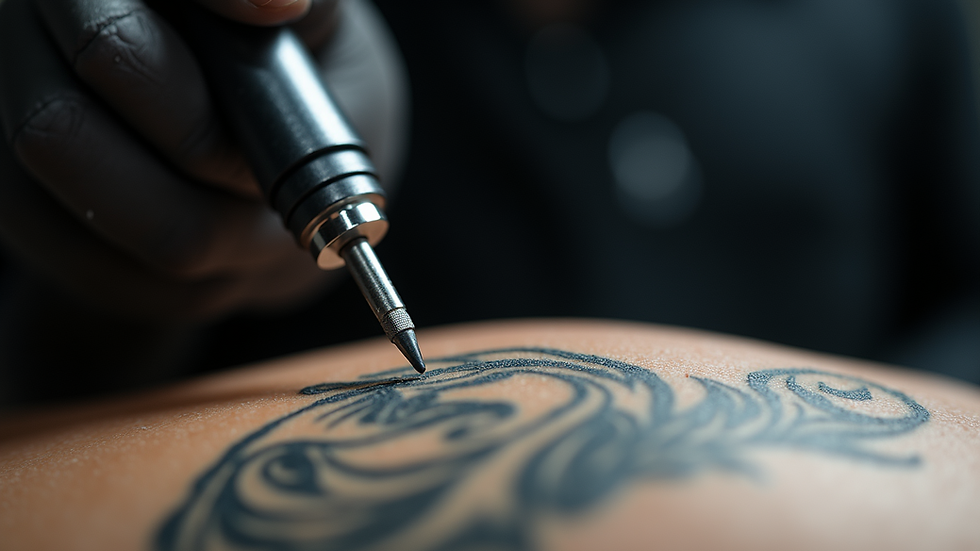
Pigmentation: Using a specialized tattoo machine, the practitioner carefully applies the pigment to the skin, creating the desired shape and color.
Aftercare: Post-procedure care instructions are provided to ensure proper healing.
Healing Process
After the procedure, the area may appear slightly swollen or red. This is normal and typically subsides within a few days. Full healing can take several weeks, during which the color may lighten as the skin heals.
Benefits of Paramedical Pigmentation
Enhanced Aesthetic Outcomes
Paramedical pigmentation can significantly enhance the aesthetic outcomes of nipple reconstruction. By providing a realistic color and texture, it helps to create a more natural appearance.
Boost in Confidence
For many women, the psychological impact of breast surgery can be profound. Paramedical pigmentation can help restore a sense of normalcy and improve self-confidence.
Long-Lasting Results
While the longevity of the pigmentation can vary, many women enjoy results that last for several years. Touch-ups may be required to maintain the vibrancy of the color.
Considerations Before the Procedure
Choosing a Qualified Practitioner
It is essential to choose a qualified and experienced practitioner for paramedical pigmentation. Look for professionals who specialize in this technique and have a portfolio of previous work.
Understanding the Risks
As with any cosmetic procedure, there are risks involved. Potential side effects may include:
Allergic reactions to pigments
Infection
Uneven color or shape
Discuss these risks with your practitioner during the consultation.
Cost of the Procedure
The cost of paramedical pigmentation can vary based on location, practitioner experience, and the complexity of the procedure. It is advisable to inquire about pricing during the initial consultation.
Real-Life Experiences
Many women who have undergone paramedical pigmentation report positive experiences. For example, Sarah, a breast cancer survivor, shared her journey:
"After my mastectomy, I felt incomplete. The paramedical pigmentation procedure helped me regain my confidence. I finally feel like myself again."
These personal stories highlight the emotional and psychological benefits of the procedure.
Conclusion
Paramedical pigmentation for nipple reconstruction is a valuable option for women seeking to restore their appearance after breast surgery. With its natural results and minimal invasiveness, it offers a pathway to emotional healing and improved self-esteem. If you or someone you know is considering this procedure, consult with a qualified practitioner to explore the possibilities.
By understanding the process, benefits, and considerations, women can make informed decisions about their post-mastectomy journey. Take the next step towards reclaiming your confidence and embracing your body.